


Good Woven Mesh: A Comprehensive Guide to Selection, Applications, and Supplier Excellence
2026-11-09 08:08
Introduction to Woven Mesh
Woven mesh is a versatile material created by interlacing metal wires or synthetic fibers in a grid pattern. Its applications span across industries, from filtration and separation to reinforcement and protection. For architects, contractors, and procurement professionals, understanding what constitutes "good woven mesh" is essential for ensuring project success. This article explores the key attributes, types, evaluation criteria, and industrial applications of woven mesh, with insights from a leading manufacturer, Shenyang Shuguang Network Industry Co., Ltd.
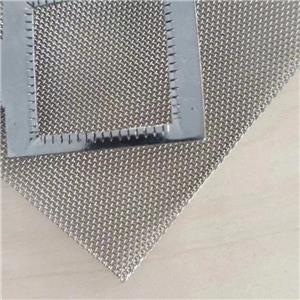
Key Characteristics of Good Woven Mesh
A high-quality woven mesh exhibits several critical characteristics that determine its performance and longevity. These include:
- Material Quality: The base material, whether stainless steel, copper, or synthetic fibers, must be of high purity and consistent quality. For instance, 316L stainless steel offers superior corrosion resistance and durability.
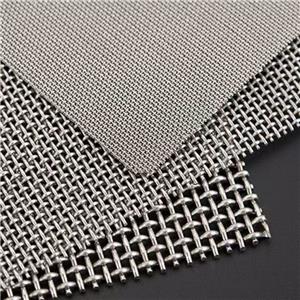
- Precision Weaving: Uniform mesh openings and consistent wire diameter are crucial for predictable filtration and strength. Advanced weaving technology ensures tight tolerances.
- Mechanical Strength: Good woven mesh must withstand mechanical stress, abrasion, and pressure without deformation. Tensile strength and elongation properties are key indicators.
- Chemical Resistance: Depending on the application, resistance to acids, alkalis, and high temperatures is vital. Materials like polyester and stainless steel are chosen for their chemical stability.
- Surface Finish: A smooth surface minimizes clogging and facilitates cleaning, extending the mesh's service life.
These characteristics are not arbitrary; they are backed by international standards such as ASTM E2016 and ISO 9044. For example, 316L stainless steel wire mesh often exceeds these standards, ensuring reliability in critical applications.
Types of Woven Mesh and Their Applications
Woven mesh comes in various forms, each suited to specific industrial needs:
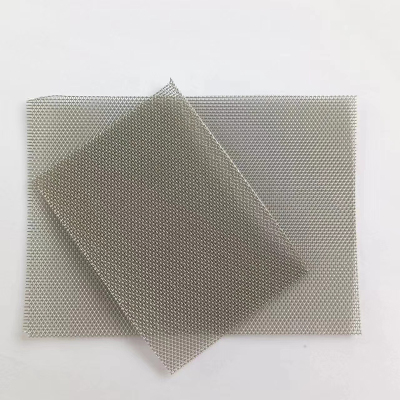
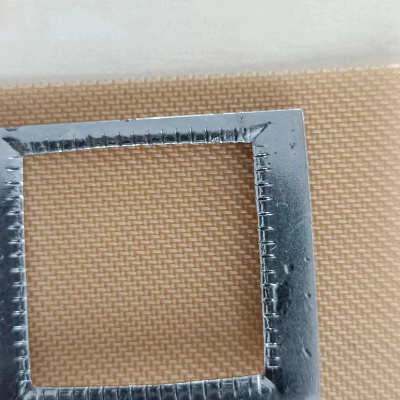
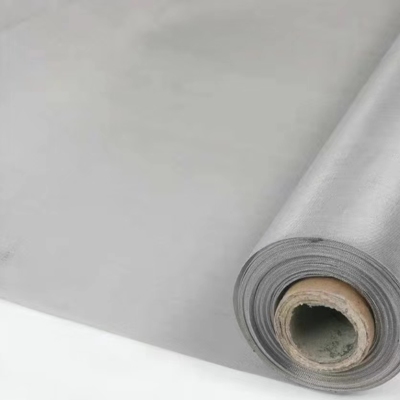
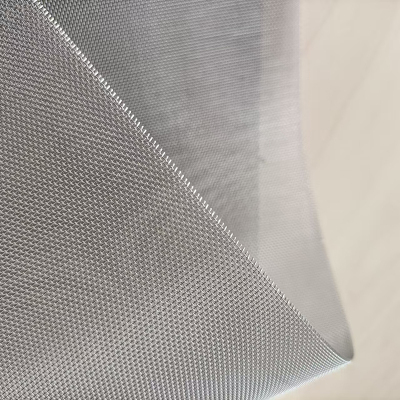
- Stainless Steel Wire Mesh: Widely used in filtration, screening, and reinforcement. Its corrosion resistance makes it ideal for chemical, food, and pharmaceutical industries. In high-voltage transformers, it serves as a crucial component in insulation boards.
- Conductive Conveyor Belt: Essential in electronics manufacturing and static-sensitive environments. The mesh's conductivity dissipates static electricity, protecting components.
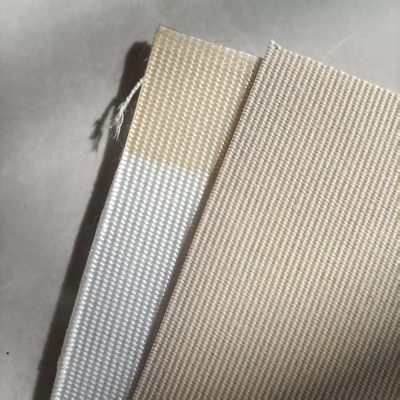
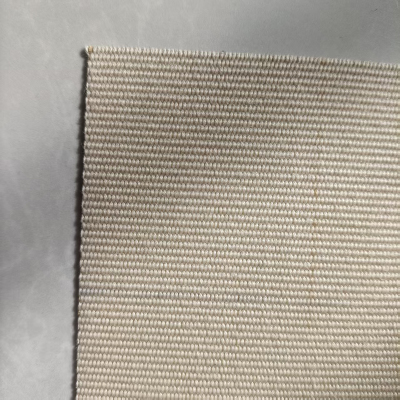
- Polyester Filter Belt: Used in filtration systems for water treatment, mining, and chemical processing. Its high tensile strength and resistance to chemicals ensure efficient solid-liquid separation.
- Filter Press Filter Cloth Belt: Designed for dewatering sludge and slurries in wastewater treatment. The mesh's precise pore size allows for optimal filtration rates.
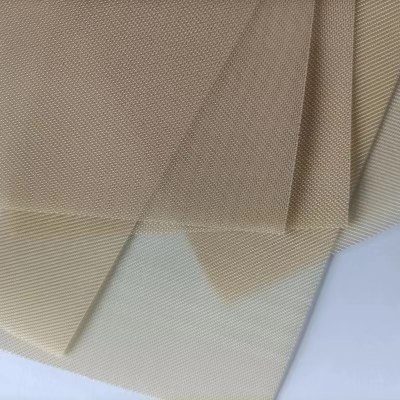
- Polyester Vacuum Paving Belt: A key component in medium-density fiberboard (MDF) production lines. Its chemical resistance and high-precision molding capabilities improve product quality and production efficiency.
Each type has distinct properties tailored to its application. For instance, polyester vacuum paving belts have revolutionized the composite materials industry by enhancing product precision and reducing waste.
How to Evaluate Woven Mesh Quality
Evaluating woven mesh quality requires a systematic approach. Here are key factors to consider:
- Material Certification: Ensure the supplier provides material certificates verifying compliance with international standards. For stainless steel, check for grade (e.g., 316L) and mill test reports.
- Mesh Count and Wire Diameter: These determine filtration accuracy and strength. Use calibrated instruments to measure mesh openings and wire thickness. A deviation of more than 5% may indicate poor quality.
- Weaving Integrity: Inspect for uniform interlocking, absence of loose wires, and consistent pattern. Faults like skipped wires or uneven tension can compromise performance.
- Surface Defects: Look for burrs, scratches, or discoloration, which may affect corrosion resistance and cleanliness.
- Performance Testing: Conduct tests for tensile strength, elongation, and chemical resistance. For filtration mesh, bubble point testing can verify pore size distribution.
Procurement professionals should also consider supplier reputation and track record. A manufacturer with decades of experience, such as Shenyang Shuguang Network Industry Co., Ltd., often employs rigorous quality control measures.
The Role of Woven Mesh in Industrial Processes
Woven mesh is integral to many industrial processes, enhancing efficiency and product quality:
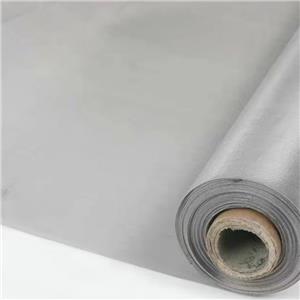
- Filtration and Separation: In chemical processing, woven mesh filters out impurities, ensuring product purity. In water treatment, it separates solids from liquids, aiding in environmental compliance.
- Reinforcement: In construction, woven mesh reinforces concrete and asphalt, improving tensile strength and crack resistance. Architects specify mesh for facades and roofing for both functional and aesthetic purposes.
- Conductive Applications: In electronics, conductive mesh shields against electromagnetic interference (EMI) and static discharge, protecting sensitive equipment.
- Composite Manufacturing: Polyester vacuum paving belts are essential in MDF production, where they facilitate even resin distribution and precise molding. This results in high-quality boards with consistent density.
For example, in the production of ultra-high voltage transformer insulation boards, 316L stainless steel wire mesh is a must-have product for well-known power companies. Its high purity and corrosion resistance ensure the reliability of transformers, which are critical infrastructure.
Case Study: Shenyang Shuguang Network Industry Co., Ltd.
Founded more than 60 years ago, Shenyang Shuguang Network Industry Co., Ltd. has established itself as a leader in woven mesh manufacturing. The company's factory covers an area of 12,000 square meters and boasts strong technical strength and a professional R&D team dedicated to product innovation and optimization.
The company's main products include stainless steel wire mesh, conductive conveyor belts, polyester filter belts, and filter press filter cloth belts. These are widely used in transformers, high-density wood-based panels, papermaking, environmental protection, and chemical printing and dyeing industries.
A standout product is the 316L stainless steel wire mesh, developed using imported high-quality raw materials. It meets international standards and is widely used in the production of ultra-high voltage transformer insulation boards, becoming a preferred choice for well-known power companies at home and abroad.
In 2019, the company independently developed a new filter mesh with characteristics of high temperature resistance, acid and alkali resistance, and a smooth surface. This product has been favored by large chain companies in the global power field.
Another key product is the polyester vacuum paving belt, a critical equipment for medium-density fiberboard production lines. It offers excellent chemical resistance and high-precision molding capabilities, playing an important role in the production of composite materials and greatly improving product quality and precision.
Shenyang Shuguang Network Industry Co., Ltd. adheres to the concept of sincere cooperation and is committed to providing customers with high-quality, high-tech, cost-effective products and services. With decades of expertise and a focus on innovation, the company exemplifies the standards of good woven mesh manufacturing.
Sustainable and Cost-Effective Considerations
In today's market, sustainability and cost-effectiveness are paramount. Good woven mesh contributes to both:
- Durability and Longevity: High-quality mesh reduces replacement frequency, lowering maintenance costs and waste. For instance, stainless steel mesh can last for decades in corrosive environments.
- Energy Efficiency: In filtration, precise mesh reduces pressure drop, saving energy. In composite manufacturing, efficient vacuum paving belts minimize material waste.
- Recyclability: Metal mesh is highly recyclable, aligning with circular economy principles. Suppliers should provide recycling options.
- Cost-Performance Ratio: While high-quality mesh may have a higher upfront cost, its extended service life and reliability often result in lower total cost of ownership.
Procurement professionals should evaluate suppliers based on these factors, considering not only price but also long-term value.
Conclusion
Good woven mesh is characterized by high-quality materials, precision weaving, mechanical strength, chemical resistance, and smooth surface finish. Its applications are diverse, from filtration and reinforcement to conductive and composite manufacturing. Evaluating quality requires attention to material certification, mesh count, weaving integrity, and performance testing. Suppliers like Shenyang Shuguang Network Industry Co., Ltd. demonstrate excellence through decades of experience, advanced products, and a commitment to customer satisfaction. By selecting the right woven mesh, architects, contractors, and procurement professionals can ensure project success, efficiency, and sustainability.
Contact Information
For inquiries about woven mesh products, please contact Shenyang Shuguang Network Industry Co., Ltd.:
- Email: 13700010375Joy@sysgwy.cn
- Phone: +86-13700010375
Related News
Read More >-
![Powerful Woven Mesh: Engineering Performance, Applications, and Selection Guide for B2B Buyers]()
Powerful Woven Mesh: Engineering Performance, Applications, and Selection Guide for B2B Buyers
1. Introduction: Why 'Powerful' Woven Mesh Matters
2. What Makes Woven Mesh Powerful? Key Performance Metrics
3. Material Science: Stainless Steel Grades and Beyond
4. Weaving Technologies and Mesh Architecture
5. Critical Applications of Powerful Woven Mesh
6. Case Study: High-Voltage Transformer Insulation Boards
7. Filtration and Separation: Demanding Environments
8. Conductive Conveyor Belts and Polyester Filter Belts
9. Quality Assurance and International Standards
10. Selection Criteria for B2B Procurement
11. Cost-Performance Optimization
12. Sustainability and Lifecycle Considerations
13. Future Trends in Woven Mesh Technology
14. Partnering with a Reliable Manufacturer: Shenyang Shuguang Network Industry Co., Ltd.
15. Contact Information -
![Regular Woven Mesh: A Comprehensive Guide for B2B Buyers and Engineers]()
Regular Woven Mesh: A Comprehensive Guide for B2B Buyers and Engineers
1. Introduction to Regular Woven Mesh 2. Manufacturing Process and Quality Control 3. Key Specifications and Performance Data 4. Applications Across Industries 5. Selecting the Right Regular Woven Mesh 6. Case Study: Shenyang Shuguang Network Industry Co., Ltd. 7. Frequently Asked Questions 8. Conclusion 9. Contact Information
-
![Professional Woven Mesh: A Comprehensive Guide for Architects, Contractors, and Procurement Professionals]()
Professional Woven Mesh: A Comprehensive Guide for Architects, Contractors, and Procurement Professionals
1. Introduction to Professional Woven Mesh
2. Manufacturing Process and Quality Standards
3. Types of Professional Woven Mesh
4. Key Applications in Construction and Architecture
5. Industrial Applications: Filtration, Conveying, and More
6. Selecting the Right Professional Woven Mesh
7. Case Studies and Performance Data
8. Why Choose Shenyang Shuguang Network Industry Co., Ltd.
9. Conclusion
10. Contact Information
-
![High-Quality Woven Mesh: A Comprehensive Guide for Architects, Contractors, and Procurement Professionals]()
High-Quality Woven Mesh: A Comprehensive Guide for Architects, Contractors, and Procurement Professionals
Introduction
What is High-Quality Woven Mesh?
Key Characteristics of High-Quality Woven Mesh
Types of High-Quality Woven Mesh
Applications of High-Quality Woven Mesh
How to Evaluate the Quality of Woven Mesh
Standards and Certifications
Case Studies: High-Quality Woven Mesh in Action
Choosing the Right Supplier for High-Quality Woven Mesh
Shenyang Shuguang Network Industry Co., Ltd.: A Trusted Partner for High-Quality Woven Mesh
Conclusion
Contact Information
-
![How to Choose Woven Mesh: A Comprehensive Guide for B2B Buyers]()
How to Choose Woven Mesh: A Comprehensive Guide for B2B Buyers
1. Introduction to Woven Mesh
2. Key Factors in Choosing Woven Mesh
3. Material Selection: Stainless Steel, Polyester, and More
4. Mesh Specifications: Aperture, Wire Diameter, and Weave Pattern
5. Application-Specific Considerations
6. Quality Assurance and Testing
7. Supplier Evaluation and Partnership
8. Case Study: Shenyang Shuguang Network Industry Co., Ltd.
9. Conclusion
10. Contact Information -
![Which Woven Mesh Is Reliable? A Comprehensive Guide for B2B Buyers]()
Which Woven Mesh Is Reliable? A Comprehensive Guide for B2B Buyers
1. Introduction: The Critical Role of Woven Mesh Reliability 2. Key Factors Determining Woven Mesh Reliability 3. Material Selection: The Foundation of Reliable Woven Mesh 4. Manufacturing Excellence: Precision and Consistency 5. Performance Testing and Quality Assurance 6. Application-Specific Reliability: Case Studies 7. Comparing Woven Mesh Types: Which Is Most Reliable? 8. The Role of Supplier Expertise and Experience 9. Shenyang Shuguang Network Industry Co., Ltd.: A Benchmark of Reliability 10. Conclusion: Making an Informed Decision 11. Contact Information
-
![Which Woven Mesh Is Better? A Comprehensive Guide for B2B Buyers]()
Which Woven Mesh Is Better? A Comprehensive Guide for B2B Buyers
1. Introduction: The Importance of Choosing the Right Woven Mesh 2. Understanding Woven Mesh: Types, Materials, and Manufacturing 3. Key Factors in Evaluating Woven Mesh Performance 4. Comparative Analysis: Which Woven Mesh Is Better for Your Application? 5. Industry-Specific Recommendations 6. The Role of Supplier Expertise: Spotlight on Shenyang Shuguang Network Industry Co., Ltd. 7. Case Studies: Real-World Applications and Results 8. Future Trends in Woven Mesh Technology 9. Conclusion: Making the Right Choice 10. Contact Information
-
![Which Woven Mesh Is Good? A Comprehensive Guide for B2B Buyers]()
Which Woven Mesh Is Good? A Comprehensive Guide for B2B Buyers
1. Introduction: The Importance of Choosing the Right Woven Mesh 2. Key Factors in Evaluating Woven Mesh Quality 3. Types of Woven Mesh and Their Applications 4. Material Selection: Stainless Steel, Polyester, and More 5. Performance Criteria: Strength, Corrosion Resistance, and Precision 6. Industry Standards and Certifications 7. Case Study: Shenyang Shuguang Network Industry Co., Ltd. 8. How to Compare Suppliers and Make the Right Choice 9. Conclusion: Making an Informed Decision 10. Contact Information