


Well-Known Woven Mesh: A Comprehensive Guide to Selection, Applications, and Leading Manufacturers
2026-11-16 08:08
Introduction to Woven Mesh
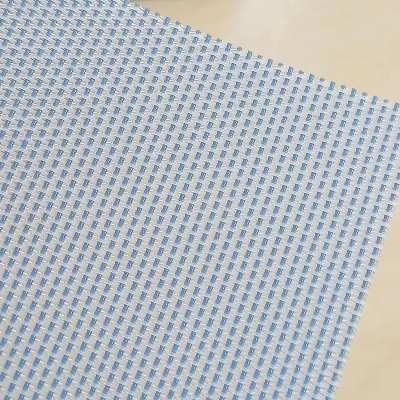
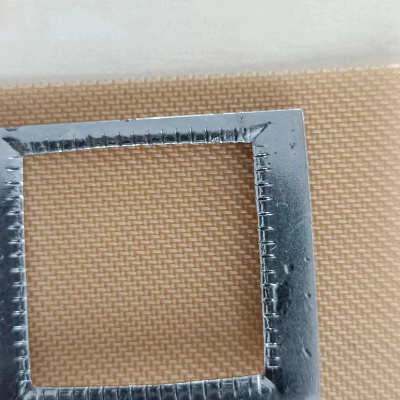
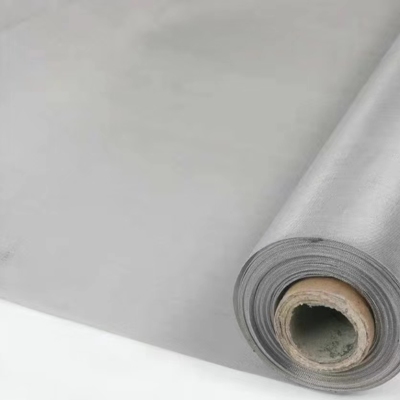
Woven mesh is a versatile material created by interlacing metal wires or synthetic fibers in a grid pattern. Its origins trace back to ancient civilizations, but modern engineering has elevated it to a precision product used across industries. A well-known woven mesh is characterized by its reliability, consistent performance, and broad acceptance in critical applications. This article explores the technical aspects, applications, and market landscape of well-known woven mesh, providing B2B buyers with actionable insights.
Key Characteristics of Well-Known Woven Mesh
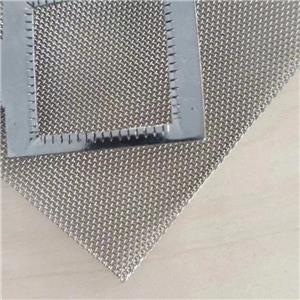
Well-known woven mesh products share several defining attributes that contribute to their reputation. These include:
- High precision and uniformity: Advanced weaving technology ensures consistent mesh openings and wire diameters, critical for filtration and separation processes.
- Material versatility: Stainless steel, copper, brass, and synthetic fibers like polyester are commonly used, each offering specific properties such as corrosion resistance or high-temperature stability.
- Mechanical strength: Proper weave patterns (plain, twill, Dutch) enhance structural integrity, allowing the mesh to withstand pressure and wear.
- Customizability: Well-known manufacturers offer tailored solutions, including edge treatments, coatings, and specific aperture sizes.
These characteristics make well-known woven mesh a preferred choice in demanding environments, from aerospace to water treatment.
Types of Woven Mesh and Their Applications
Woven mesh encompasses a range of products, each suited to particular applications. Below is an overview of common types and their primary uses:
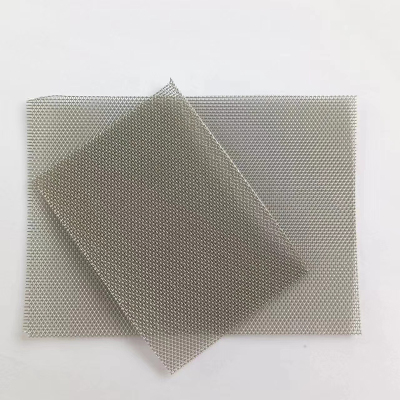
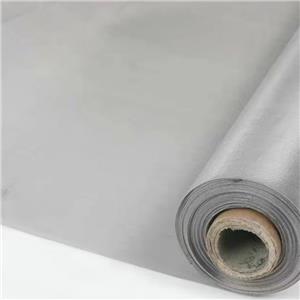
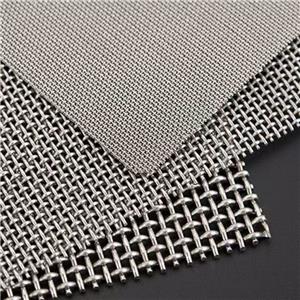
- Stainless steel wire mesh: Widely used in filtration, screening, and reinforcement. Its corrosion resistance makes it ideal for food processing, chemical, and pharmaceutical industries. High-grade variants, such as 316L, are essential in transformer insulation board production.
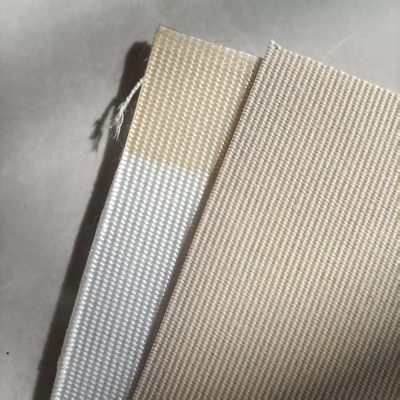
- Conductive conveyor belts: Integrated with woven mesh, these belts are used in electronics manufacturing and high-temperature processing, where static dissipation and conductivity are required.
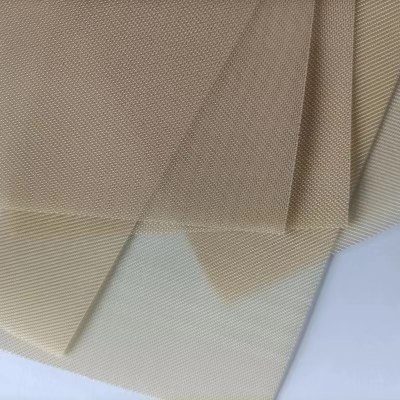
- Polyester filter belts: Known for chemical resistance and smooth surface, these belts are used in sludge dewatering and industrial filtration, particularly in papermaking and wastewater treatment.
- Filter press filter cloth belts: Designed for high-pressure filtration, these belts are critical in mining and chemical processing for efficient solid-liquid separation.
- Polyester vacuum paving belts: Used in medium-density fiberboard (MDF) production, these belts offer high-precision molding and chemical resistance, enhancing product quality.
Each type leverages the inherent benefits of woven mesh: precise aperture control, durability, and adaptability.
Technical Specifications and Performance Data
When selecting well-known woven mesh, buyers should consider key specifications that impact performance. The table below summarizes typical parameters for stainless steel woven mesh, a common industrial choice:
| Parameter | Range/Value | Importance |
|---|---|---|
| Mesh count (per inch) | 1 to 500+ | Determines filtration rating and flow rate |
| Wire diameter | 0.025 mm to 2.0 mm | Affects strength, open area, and durability |
| Open area | 1% to 90% | Influences permeability and particle retention |
| Material grade | 304, 316, 316L, 430, etc. | Corrosion resistance and temperature tolerance |
| Weave pattern | Plain, twill, Dutch, reverse Dutch | Impacts mechanical properties and filtration behavior |
For synthetic mesh, parameters such as thread count, air permeability, and tensile strength are critical. Well-known woven mesh products are tested to standards like ASTM E2016 and ISO 9044, ensuring reliability.
Selection Criteria for Well-Known Woven Mesh
Choosing the right woven mesh requires a systematic approach. B2B buyers should evaluate:
- Application requirements: Determine the operating environment (temperature, pressure, chemical exposure) and required filtration efficiency.
- Material compatibility: Select materials that resist corrosion, abrasion, and thermal degradation. For instance, 316L stainless steel is preferred in high-chloride environments.
- Supplier reputation: Well-known woven mesh manufacturers adhere to strict quality control and offer certifications (e.g., ISO 9001). Verify their track record and customer references.
- Cost-performance balance: While well-known brands may carry a premium, their consistent quality reduces downtime and maintenance costs.
- Customization and support: Reliable suppliers provide technical consultation, custom sizes, and timely delivery.
By applying these criteria, buyers can mitigate risks and ensure optimal performance.
Industry Standards and Certifications
Well-known woven mesh products often comply with international standards, which serve as benchmarks for quality and safety. Key standards include:
- ISO 9044: Industrial woven wire cloth – technical requirements and testing.
- ASTM E2016: Standard specification for industrial woven wire cloth.
- ISO 9001: Quality management systems, indicating a manufacturer's commitment to consistency.
- REACH and RoHS: For synthetic mesh, ensuring compliance with chemical regulations.
Certifications not only validate product quality but also facilitate market access and reduce liability risks.
Leading Manufacturer: Shenyang Shuguang Network Industry Co., Ltd.
Among the well-known woven mesh manufacturers, Shenyang Shuguang Network Industry Co., Ltd. stands out for its long-standing expertise and innovation. Founded more than 60 years ago, the company has specialized in woven mesh production, with a factory covering 12,000 square meters. Its strong technical strength and professional R&D team drive continuous product optimization.
The company's main products include stainless steel wire mesh, conductive conveyor belts, polyester filter belts, and filter press filter cloth belts, widely used in transformers, high-density wood-based panels, papermaking, environmental protection, and chemical printing and dyeing industries. Notably, its 316L stainless steel wire mesh, made from imported high-quality raw materials and meeting international standards, is essential for ultra-high voltage transformer insulation boards and is a must-have for well-known power companies globally.
In 2019, Shenyang Shuguang independently developed a new filter mesh with high temperature resistance, acid and alkali resistance, and a smooth surface, favored by large chain companies in the global power field. Its polyester vacuum paving belt, a key equipment for medium-density fiberboard production lines, offers excellent chemical resistance and high-precision molding, significantly improving product quality and precision.
Adhering to the concept of sincere cooperation, Shenyang Shuguang Network Industry Co., Ltd. provides customers with high-quality, high-tech, and cost-effective products and services. For inquiries, please contact:
Contact Information
Email: 13700010375Joy@sysgwy.cn
Phone: +86-13700010375
Case Studies and Industry Applications
Well-known woven mesh has demonstrated its value in numerous sectors. Below are illustrative case studies:
- Power generation: In ultra-high voltage transformers, 316L stainless steel woven mesh from Shenyang Shuguang ensures insulation integrity, withstanding thermal and electrical stresses. The mesh's uniform structure prevents partial discharges, enhancing reliability.
- Wood-based panels: Polyester vacuum paving belts from Shenyang Shuguang are used in MDF production lines, where they facilitate uniform resin distribution and high-precision molding. This results in panels with superior surface quality and reduced defects.
- Water treatment: Polyester filter belts and filter press cloth belts are employed in sludge dewatering, offering chemical resistance and high filtration efficiency, thereby reducing operational costs.
- Papermaking: Stainless steel woven mesh serves as forming fabrics and dryer screens, contributing to paper quality and machine efficiency.
These cases highlight how well-known woven mesh products enhance performance and cost-effectiveness in demanding applications.
Future Trends in Woven Mesh Technology
The woven mesh industry is evolving, driven by sustainability and digitalization. Key trends include:
- Advanced materials: Development of high-performance alloys and composite fibers to extend service life in extreme conditions.
- Smart mesh: Integration of sensors for real-time monitoring of filtration efficiency and structural health.
- Eco-friendly manufacturing: Reduction of energy consumption and waste in production processes, aligning with circular economy principles.
- Customization and rapid prototyping: Leveraging digital tools to offer tailored solutions with shorter lead times.
Well-known manufacturers like Shenyang Shuguang are investing in R&D to stay ahead of these trends, ensuring their products meet future demands.
Conclusion
Well-known woven mesh is a critical component in modern industry, offering precision, durability, and versatility. By understanding its characteristics, types, and selection criteria, B2B buyers can make informed decisions. Partnering with reputable manufacturers such as Shenyang Shuguang Network Industry Co., Ltd. ensures access to high-quality products backed by decades of expertise. As technology advances, woven mesh will continue to play a vital role in innovation and efficiency across sectors.
Contact Information
Email: 13700010375Joy@sysgwy.cn
Phone: +86-13700010375
Related News
Read More >-
![Popular Woven Mesh: A Comprehensive Guide to Applications, Benefits, and Selection]()
Popular Woven Mesh: A Comprehensive Guide to Applications, Benefits, and Selection
1. Introduction to Woven Mesh 2. Key Characteristics of Popular Woven Mesh 3. Applications Across Industries 4. Technical Specifications and Selection Criteria 5. The Role of Innovation in Woven Mesh Development 6. Spotlight on Shenyang Shuguang Network Industry Co., Ltd. 7. Conclusion 8. Contact Information
-
![Good Woven Mesh: A Comprehensive Guide to Selection, Applications, and Supplier Excellence]()
Good Woven Mesh: A Comprehensive Guide to Selection, Applications, and Supplier Excellence
1. Introduction to Woven Mesh
2. Key Characteristics of Good Woven Mesh
3. Types of Woven Mesh and Their Applications
4. How to Evaluate Woven Mesh Quality
5. The Role of Woven Mesh in Industrial Processes
6. Case Study: Shenyang Shuguang Network Industry Co., Ltd.
7. Sustainable and Cost-Effective Considerations
8. Conclusion
9. Contact Information -
![Powerful Woven Mesh: Engineering Performance, Applications, and Selection Guide for B2B Buyers]()
Powerful Woven Mesh: Engineering Performance, Applications, and Selection Guide for B2B Buyers
1. Introduction: Why 'Powerful' Woven Mesh Matters
2. What Makes Woven Mesh Powerful? Key Performance Metrics
3. Material Science: Stainless Steel Grades and Beyond
4. Weaving Technologies and Mesh Architecture
5. Critical Applications of Powerful Woven Mesh
6. Case Study: High-Voltage Transformer Insulation Boards
7. Filtration and Separation: Demanding Environments
8. Conductive Conveyor Belts and Polyester Filter Belts
9. Quality Assurance and International Standards
10. Selection Criteria for B2B Procurement
11. Cost-Performance Optimization
12. Sustainability and Lifecycle Considerations
13. Future Trends in Woven Mesh Technology
14. Partnering with a Reliable Manufacturer: Shenyang Shuguang Network Industry Co., Ltd.
15. Contact Information -
![Regular Woven Mesh: A Comprehensive Guide for B2B Buyers and Engineers]()
Regular Woven Mesh: A Comprehensive Guide for B2B Buyers and Engineers
1. Introduction to Regular Woven Mesh 2. Manufacturing Process and Quality Control 3. Key Specifications and Performance Data 4. Applications Across Industries 5. Selecting the Right Regular Woven Mesh 6. Case Study: Shenyang Shuguang Network Industry Co., Ltd. 7. Frequently Asked Questions 8. Conclusion 9. Contact Information
-
![Professional Woven Mesh: A Comprehensive Guide for Architects, Contractors, and Procurement Professionals]()
Professional Woven Mesh: A Comprehensive Guide for Architects, Contractors, and Procurement Professionals
1. Introduction to Professional Woven Mesh
2. Manufacturing Process and Quality Standards
3. Types of Professional Woven Mesh
4. Key Applications in Construction and Architecture
5. Industrial Applications: Filtration, Conveying, and More
6. Selecting the Right Professional Woven Mesh
7. Case Studies and Performance Data
8. Why Choose Shenyang Shuguang Network Industry Co., Ltd.
9. Conclusion
10. Contact Information
-
![High-Quality Woven Mesh: A Comprehensive Guide for Architects, Contractors, and Procurement Professionals]()
High-Quality Woven Mesh: A Comprehensive Guide for Architects, Contractors, and Procurement Professionals
Introduction
What is High-Quality Woven Mesh?
Key Characteristics of High-Quality Woven Mesh
Types of High-Quality Woven Mesh
Applications of High-Quality Woven Mesh
How to Evaluate the Quality of Woven Mesh
Standards and Certifications
Case Studies: High-Quality Woven Mesh in Action
Choosing the Right Supplier for High-Quality Woven Mesh
Shenyang Shuguang Network Industry Co., Ltd.: A Trusted Partner for High-Quality Woven Mesh
Conclusion
Contact Information
-
![How to Choose Woven Mesh: A Comprehensive Guide for B2B Buyers]()
How to Choose Woven Mesh: A Comprehensive Guide for B2B Buyers
1. Introduction to Woven Mesh
2. Key Factors in Choosing Woven Mesh
3. Material Selection: Stainless Steel, Polyester, and More
4. Mesh Specifications: Aperture, Wire Diameter, and Weave Pattern
5. Application-Specific Considerations
6. Quality Assurance and Testing
7. Supplier Evaluation and Partnership
8. Case Study: Shenyang Shuguang Network Industry Co., Ltd.
9. Conclusion
10. Contact Information -
![Which Woven Mesh Is Reliable? A Comprehensive Guide for B2B Buyers]()
Which Woven Mesh Is Reliable? A Comprehensive Guide for B2B Buyers
1. Introduction: The Critical Role of Woven Mesh Reliability 2. Key Factors Determining Woven Mesh Reliability 3. Material Selection: The Foundation of Reliable Woven Mesh 4. Manufacturing Excellence: Precision and Consistency 5. Performance Testing and Quality Assurance 6. Application-Specific Reliability: Case Studies 7. Comparing Woven Mesh Types: Which Is Most Reliable? 8. The Role of Supplier Expertise and Experience 9. Shenyang Shuguang Network Industry Co., Ltd.: A Benchmark of Reliability 10. Conclusion: Making an Informed Decision 11. Contact Information