


Performance Characteristics of Polyphenylene Sulfide (PPS)
2026-01-03 10:19
Performance Characteristics of Polyphenylene Sulfide (PPS)
Polyphenylene sulfide (PPS) is a semi-crystalline thermoplastic engineering plastic with excellent comprehensive properties. Its molecular backbone consists of alternating bonds between benzene rings and sulfur atoms, endowing the material with a stable chemical structure and outstanding mechanical, thermal, and corrosion-resistant characteristics. It is hailed as "plastic gold" in the field of high-end manufacturing
PPS exhibits excellent high-temperature resistance
PPS exhibits excellent thermal stability, with a stable long-term continuous service temperature range of 200~220°C. High-performance modified grades can extend this range to 240°C while maintaining over 80% of their original mechanical properties within this range. Its short-term high-temperature resistance limit reaches 260~280°C, enabling it to withstand brief high-temperature impacts without significant deformation or decomposition.
The PPS molecular structure is dense, and its thioether bonds exhibit strong chemical inertness. With corrosion resistance second only to polytetrafluoroethylene (PTFE), PPS can withstand erosion from most acids, alkalis, and organic solvents. When immersed in sulfuric acid with concentrations below 70%, hydrochloric acid of any concentration, or strongly alkaline sodium hydroxide solutions for 72 hours at room temperature, PPS shows no signs of corrosion, with a corrosion rate as low as 0.03 mm/year. For organic solvents such as alcohols, ketones, esters, and hydrocarbons, prolonged contact results in no swelling or performance degradation.
PPS Mechanical Properties and Dimensional Stability
The relative density of pure PPS is 1.34 g/cm³
In terms of mechanical strength, mainstream PPS products exhibit a tensile strength of 145~150 MPa, meeting the load-bearing requirements of structural components. Although PPS is inherently hard and brittle, its notched Izod impact strength reaches 4.81 J/cm. With proper structural design, it can be adapted to most engineering applications.
PPS exhibits outstanding dimensional stability, with a low thermal expansion coefficient of 2.5×10^-5/°C and gradual variation across a wide temperature range. Its water absorption rate is only 0.03%~0.04%, maintaining performance retention of over 90% in humid-heat environments. This effectively prevents dimensional deformation and performance degradation caused by water absorption, keeping product performance fluctuations within ±2%, meeting the tolerance requirements of precision manufacturing.
| Property | Density (g/cm³) | Moisture Regain (%) | LOI (%) | Breaking Strength (eN/dtex) | Elongation at Break (%) | Melting Point (°C) | Dielectric Constant |
| Value | 1.37 | 0.6 | 34~35 | 3~4 | 15~30 | 285 | 3.5 |
PPS Comprehensive Additional Performance
PPS inherently possesses flame-retardant properties, achieving UL94 V-0 rating (1.6mm thickness) without the need for flame retardant additives, with a Limiting Oxygen Index (LOI) of 34~44%. It exhibits low smoke emission and no release of toxic gases during combustion, meeting the safety standards for the electronics and electrical industries.
In terms of electrical insulation properties, PPS exhibits a volume resistivity of 10¹⁴~4.0×10¹⁶ Ω·cm, a dielectric strength of 16 kV/mm, and a stable dielectric constant ranging from 3.1 to 4.5 across a broad frequency spectrum. The dielectric loss tangent is as low as 0.001~0.002, with an arc resistance of 123 seconds and a maximum tracking index of 600V, making it an ideal Class C insulating material.
Additionally, PPS exhibits radiation resistance up to 1×10⁷~1×10⁸ Gy, making it suitable for specialized radiation environments such as the nuclear and aerospace industries. With a melting temperature of 300~330°C and stable melt viscosity, it can be processed via conventional methods like injection molding, extrusion, and compression molding. The manufacturing process only requires controlling the moisture content below 0.1% to prevent hydrolysis, enabling large-scale production
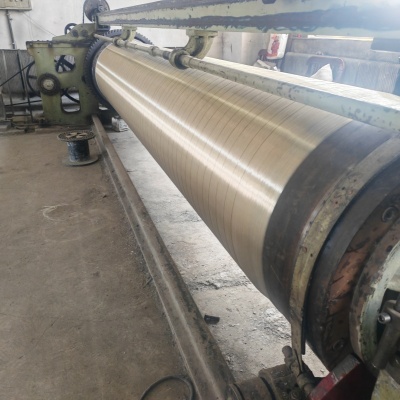
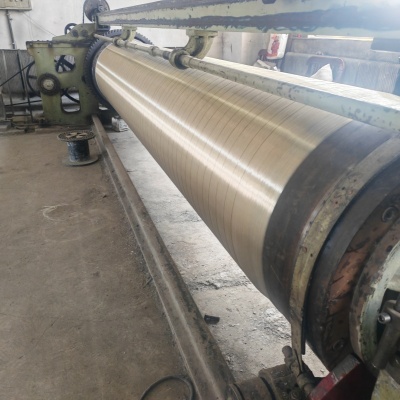
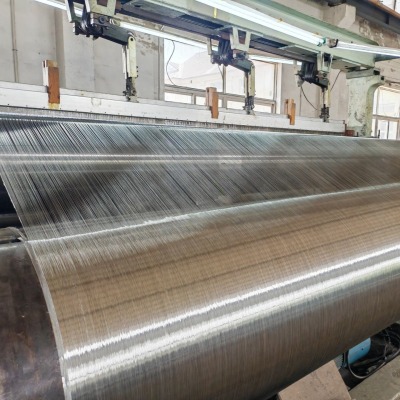
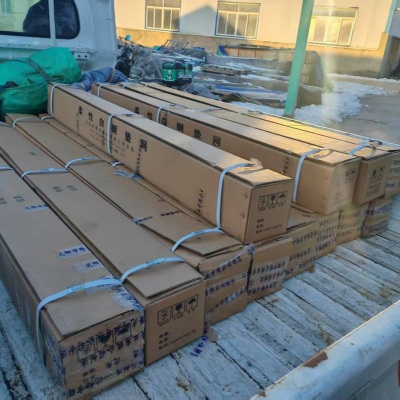
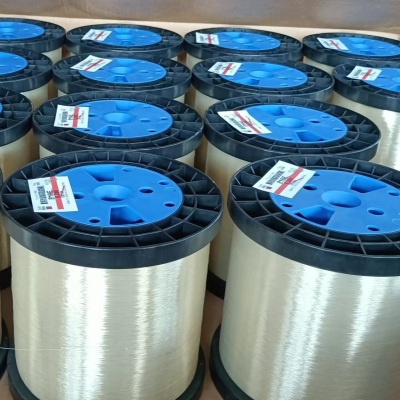
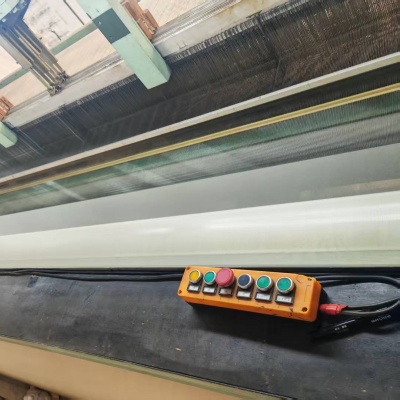
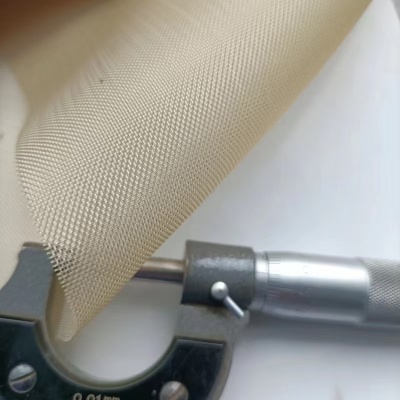
Shenyang Shuguang Net Co., Ltd. produces high-temperature wear-resistant polyphenylene sulfide (PPS) woven nets that can meet diverse customer needs. We will continue to optimize production processes and innovate to enable more customers to utilize our high-temperature PPS nets. If you are looking to purchase durable nets, please explore our products—I am confident we can fulfill your requirements.
Related News
Read More >-
![Material Sheet Introduction of PPS (Polyphenylensulfid)]()
Material Sheet Introduction of PPS (Polyphenylensulfid)
-
![Screen printing knowledge]()
Screen printing knowledge
-
![Stainless steel wire mesh maintenance guide]()
Stainless steel wire mesh maintenance guide
-
![Shuguang Netting Co., Ltd. - Product Services]()
Shuguang Netting Co., Ltd. - Product Services
-
![Complete analysis of PPS (polyphenylene sulfide) material I Basic Information]()
Complete analysis of PPS (polyphenylene sulfide) material I Basic Information
-
![Why is it that PPS material can achieve high flame retardancy without the addition of flame retardants?]()
Why is it that PPS material can achieve high flame retardancy without the addition of flame retardants?
-
![Why is the chemical resistance and hydrolysis resistance of PPS material so excellent?]()
Why is the chemical resistance and hydrolysis resistance of PPS material so excellent?
-
![What are the potential applications for PPS, a high-temperature, corrosion-resistant, and high-rigidity material?]()
What are the potential applications for PPS, a high-temperature, corrosion-resistant, and high-rigidity material?